

· Greenback· Financial Visibility
The Power of Financial Visibility: How Seeing the Full Picture Leads to Smarter Money Decisions
You can't manage what you can't see. It's a principle that applies to business, health, and, perhaps most importantly, your personal finances. Yet most people navigate their financial lives with only a partial view: a checking account balance here, a credit card statement there, a vague sense of what they owe on their mortgage or how their retirement account is performing. This fragmented approach to money management isn't just inconvenient. It's costly. Without a clear, consolidated view of your finances, you're essentially making decisions in the dark, and that's where overspending, missed opportunities, and unnecessary stress take root. Financial visibility changes all of that. Let's explore what it means, why it matters, and how it can transform the way you make decisions about your money.
What Is Financial Visibility?
Financial visibility is the ability to see your complete financial picture: your income, expenses, assets, debts, and investments, in one place, at any time. It's the difference between guessing where your money went last month and knowing exactly where every dollar landed.
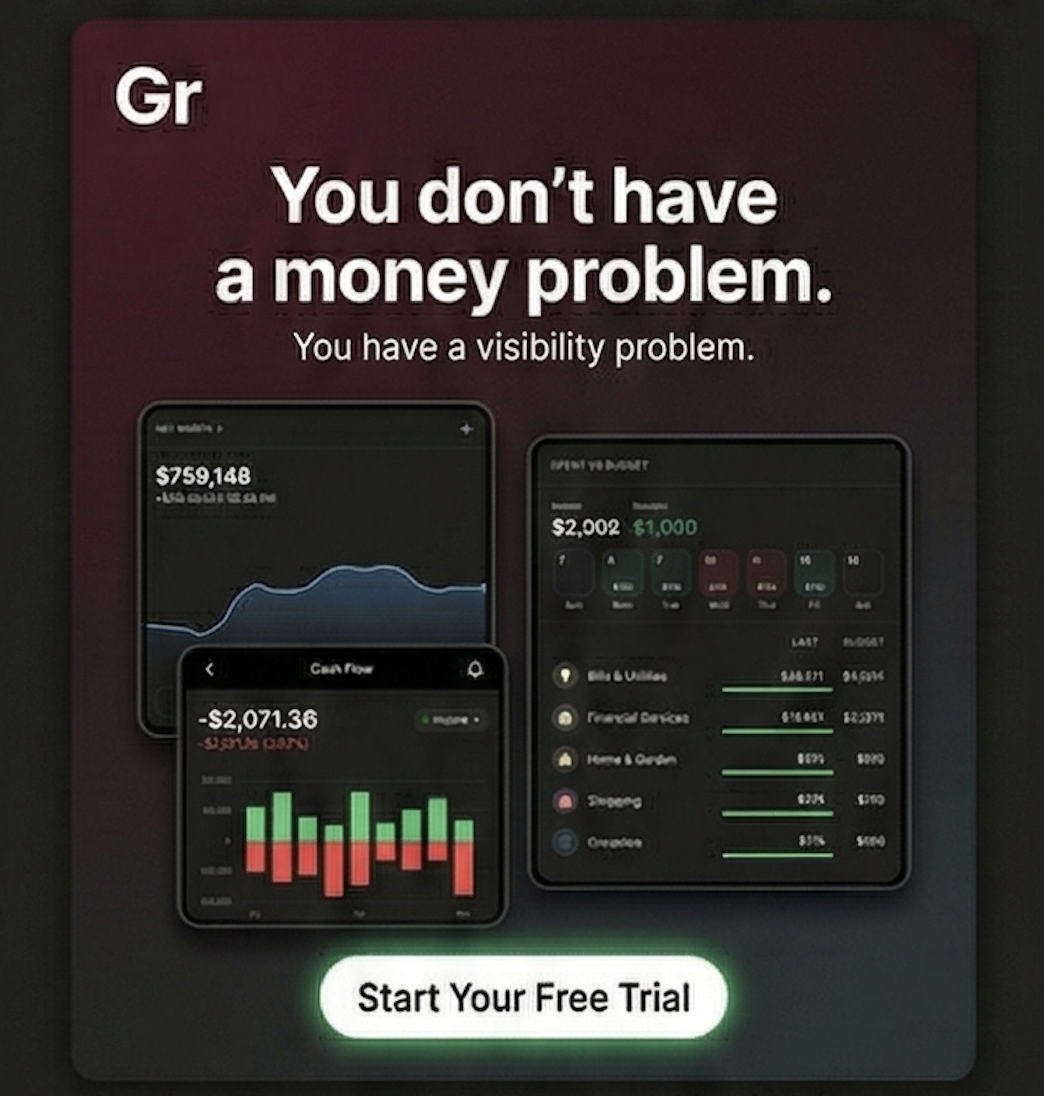
Think of it like a dashboard for your financial life. Just as a pilot wouldn't fly a plane by looking at only one instrument, you shouldn't manage your money by checking only one account at a time. True financial visibility means having access to all the data points that shape your financial health, presented in a way that's clear and actionable.
Why Financial Transparency Matters for Better Decision-Making
When you can see your full financial landscape, something powerful happens: you start making decisions based on facts instead of feelings. Here's how that plays out in practice.
1. You Spend More Intentionally
When your spending habits are visible — broken down by category, tracked against a budget — impulse purchases lose their grip. Research consistently shows that people who actively track their spending tend to spend less than those who don't. It's not about restriction; it's about awareness. When you can see that you've already spent $400 on dining out this month, that Friday night takeout order becomes a conscious choice rather than an invisible habit.
2. You Catch Problems Early
Financial visibility acts as an early warning system. Maybe your subscription costs have been creeping up quarter over quarter, or your grocery spending has quietly jumped by 20%. Without a clear view of your spending trends, these shifts go unnoticed until they've done real damage to your budget. With full transparency into your cash flow, you can spot these patterns early and course-correct before they become serious problems.
3. You Understand Your True Net Worth
Your net worth — the difference between what you own and what you owe — is one of the most important numbers in your financial life. But calculating it accurately requires visibility into every account: savings, investments, credit cards, loans, and more. When you track your net worth over time, you gain a long-term perspective that no single bank balance can provide. It's the clearest measure of whether you're actually making financial progress.
4. You Make Smarter Investment Decisions
If your investment accounts are scattered across multiple brokerages and retirement plans, it's nearly impossible to understand your true asset allocation. You might be overexposed to a single sector without realizing it, or holding duplicate funds across accounts. Financial visibility gives you a consolidated view of your entire portfolio, making it easier to assess performance, rebalance strategically, and align your investments with your goals.
5. You Reduce Financial Stress
Money is consistently ranked among the top sources of stress for adults. But here's what's worth noting: much of that stress comes not from the numbers themselves, but from the uncertainty of not knowing. When you have a transparent view of your finances, you replace anxiety with clarity. You know what you have, what you owe, and where you stand. That knowledge alone is a powerful source of confidence.
How to Build Financial Visibility Into Your Life
Gaining financial visibility doesn't require a finance degree or hours of spreadsheet work. It comes down to a few key practices.
Consolidate your accounts into a single view. The biggest barrier to financial visibility is fragmentation. When your financial life is spread across a dozen different apps, statements, and logins, the full picture stays hidden. Bringing everything together: checking, savings, credit cards, loans, and investments, into one dashboard eliminates blind spots and gives you a real-time snapshot of where you stand.
Set budgets and track them consistently. A budget without tracking is just a wish list. The real value comes from monitoring your actual spending against your plan, week by week and month by month. This is where financial transparency turns into financial control.
Review your trends regularly. A single month of data tells you very little. But when you can see your spending and income trends over weeks, months, and quarters, patterns emerge that help you plan ahead. Regular review turns raw data into genuine insight.
Monitor your net worth over time. Checking your net worth isn't a one-time exercise. Tracking it consistently, ideally with daily or weekly updates, gives you a clear trajectory of your financial health and keeps you motivated toward long-term goals.
Bringing It All Together
Financial visibility isn't about obsessing over every transaction. It's about having the clarity to make informed decisions, whether that's choosing where to cut back, when to invest more aggressively, or how to plan for a major life purchase. When you can see your complete financial picture, you move from reacting to your money to actively directing it.
If you're looking for a simple way to start, Greenback was built with exactly this goal in mind. It connects to over 12,000 financial institutions and brings your accounts, budgets, spending insights, and investments into a single, secure dashboard, giving you the visibility you need to make smarter financial decisions every day.
Your money tells a story. Financial visibility lets you read it.